Elder Law and Medicaid Planning Attorney in Plymouth, MI

Clear Guidance for Later-Life Planning
Andrew L. Bemish, Attorney-at-Law, is an elder law and Medicaid planning attorney in Plymouth, MI, helping older adults, spouses, adult children, and caregivers across Plymouth, Canton, Northville, Novi, Livonia, Walled Lake, Ann Arbor, and Ypsilanti plan for long-term care, protect assets, and put the right decision-making documents in place. Whether you’re helping a parent who needs more support, facing a new diagnosis, or simply want to plan ahead before a crisis hits, this page walks through what elder law and Medicaid planning actually cover, what long-term care really costs in Michigan, and how to take a clear, low-pressure next step.
Key Takeaways
Elder law and Medicaid planning cover care decisions, asset protection, and legal decision-making for later life, not just wills and trusts.
Michigan nursing home care runs tens of thousands of dollars a month, and roughly 70% of adults over 65 will need some form of long-term care.
Michigan Medicaid rules include a 60-month look-back period and a countable asset limit, but planning ahead can help protect assets even inside those rules.
Powers of attorney and patient advocate designations ensure someone you trust can step in for financial and medical decisions if you or a loved one can't act.
Andy Bemish handles every matter personally, drawing on multiple decades of practice across elder law, estate planning, trust and probate administration, and a Master of Laws in Taxation.

Ready to talk through your options? Call (734) 459-7990 or request a consultation to get started.
What Do Elder Law and Medicaid Planning Actually Cover?
Elder law is the area of legal practice focused on the decisions and challenges that come with aging, including long-term care planning, asset protection, and making sure the right people can step in if you or a loved one can’t act. Medicaid planning is a related area that helps families structure their finances so they can access Medicaid’s long-term care benefits without giving up more than necessary along the way.
Together, these two areas answer the questions families in Plymouth, Canton, and Northville ask most:
- How do we pay for nursing home or in-home care if it’s needed?
- What happens to the house, the savings, the retirement accounts?
- Who can make financial or medical decisions if my parent, spouse, or I become unable to?
- What legal documents actually need to be in place?
None of this requires a crisis to justify addressing it. It just requires a plan.



When Should You Reach Out to an Elder Law Attorney?
There’s no single “right” moment to start elder law planning, but a few situations tend to bring people to our office in Plymouth:
- An aging parent needs more help with daily tasks, finances, or medical decisions than they used to.
- A recent diagnosis, such as dementia or a serious chronic illness, has made the future feel less predictable.
- A nursing home stay is on the horizon, whether it’s weeks away or just starting to feel likely.
- You simply want to plan ahead, before any of the above happens, while there’s still time to consider every option.
If any of these sound familiar, you’re not early and you’re not late. You’re exactly where most families are when they start this process.

Get a Clear Plan and Real Peace of Mind
Partner with Andy to protect what matters most.
Planning for Long-Term Care Costs
Long-term care in Michigan is expensive, and it’s worth understanding the real numbers rather than guessing. Nursing home care in Michigan averages tens of thousands of dollars per month, and roughly 70% of adults over 65 will need some form of long-term care during their lifetime. Without a plan, a family can work through decades of savings in a matter of one or two years.
Planning ahead doesn’t mean assuming the worst. It means making sure that if long-term care becomes necessary, you have options beyond simply paying out of pocket until the money runs out. This can include reviewing what long-term care insurance might cover, understanding which assets are exempt from Medicaid calculations, and putting legal structures in place while there’s still time for them to matter.
How Does Medicaid Planning Work in Michigan?
Medicaid planning is the process of arranging your finances so you can qualify for Medicaid’s long-term care benefits while protecting as much of what you’ve built as the law allows. It does not guarantee eligibility or any specific outcome, but it does mean you’re making informed decisions instead of reacting under pressure.
A few Michigan-specific rules matter here:
- The countable asset limit for some assets, like your primary home up to a certain equity threshold, are exempt and don’t count toward this limit.
- The five-year look-back period means Medicaid reviews financial transfers made in the 60 months before you apply. Transfers made improperly during this window can trigger a penalty period that delays eligibility, sometimes by months.
- The Community Spouse Resource Allowance allows a healthy spouse to retain countable assets when the other spouse needs nursing home care. This directly contradicts the common myth that a couple must spend down everything before one spouse can qualify.
Timing matters because many of these protections work best when they’re set up before a care need becomes urgent. If a loved one is already in a nursing home or facing a Medicaid denial, options still exist. This is sometimes called Medicaid crisis planning, and it’s still worth a conversation even if you feel like you’ve waited too long.


Who Decides if a Loved One Can't?
If a parent, spouse, or you become unable to make decisions, the right legal documents determine who steps in and how quickly.
- A power of attorney authorizes someone you trust to manage your finances, pay bills, and handle property if you’re unable to do so yourself.
- A patient advocate designation (Michigan’s version of a healthcare power of attorney) lets someone you choose make medical decisions on your behalf if you can’t communicate your own wishes.
Without these documents, even a spouse or adult child may not automatically have the authority to access accounts or make medical decisions. In that case, a family may need to petition the probate court for guardianship (covering personal and healthcare decisions) or conservatorship (covering financial decisions), a process that takes time, costs money, and puts personal decisions in front of a judge.
Get a Clear Plan and Real Peace of Mind
Partner with Andy to protect what matters most.
How This Connects to the Bigger Picture
Elder law rarely stands alone. It touches estate planning, trusts, probate administration, and often tax questions, especially when a family’s situation involves real estate, retirement accounts, or plans to pass assets to the next generation.
This is where Andy’s background matters. With multiple decades of private practice across estate planning, trust and probate administration, business law, and tax planning, plus a Master of Laws in Taxation from the University of Florida, Andy can spot the tax and estate implications that a narrower practice might miss. That combination helps families in Plymouth and nearby communities avoid the blind spots that come from treating elder law as a separate, disconnected issue.

How We Work
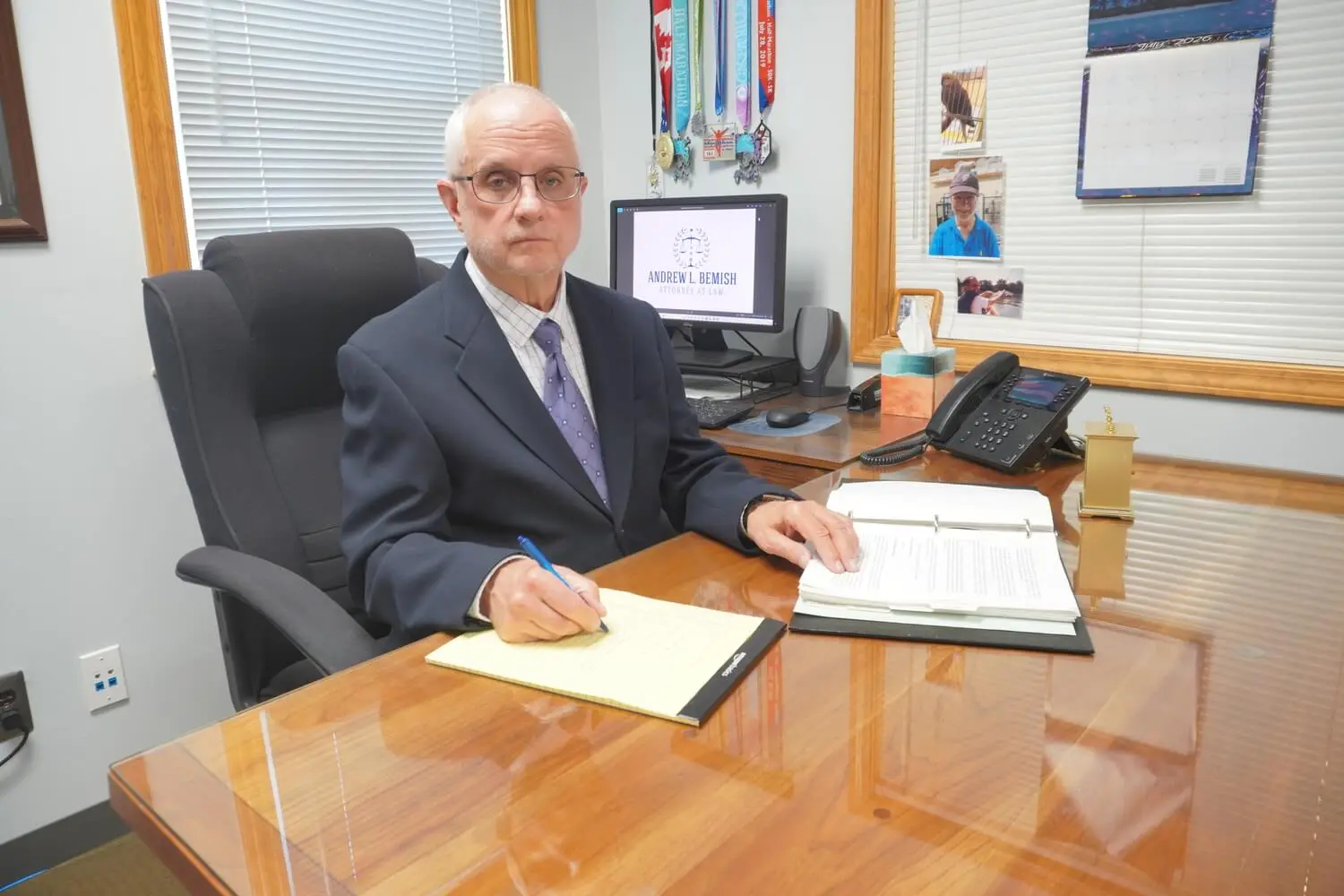
Andy Bemish stays personally involved in every matter from the first conversation through the final signature. There’s no intake team and no hand-off between departments. You’ll get plain-language answers, recommendations tailored to your specific situation, and a clear next step at every stage, so you always know what’s happening and why.
Take the Next Step
If you’re trying to plan for a parent’s care, your own future, or a spouse’s diagnosis, you don’t have to sort through Michigan’s Medicaid rules alone. Call (734) 459-7990 or reach out to request a consultation. Andrew L. Bemish, Attorney-at-Law is located at 9380 N Lilley Rd, Plymouth, MI 48170, serving families throughout Plymouth, Canton, Northville, Livonia, Walled Lake, Ann Arbor, and Ypsilanti.

FAQs
Frequently Asked Questions
Michigan's Medicaid look-back period is 60 months of financial history reviewed when you apply for long-term care benefits. Transfers or gifts made improperly during this window can trigger a penalty period that delays eligibility, so timing matters when planning asset transfers.
Estate planning attorneys focus primarily on how assets pass after death, through wills and trusts. Elder law attorneys address that plus the living side of aging: long-term care planning, Medicaid eligibility, and decision-making authority. Andy Bemish practices in both areas, which helps close gaps between them.
Nursing home care in Michigan currently averages tens of thousands of dollars per month. Without a plan, this cost can deplete a family's savings within a year or two, which is why many families choose to plan ahead rather than wait for a crisis.
No. Even if a loved one is already receiving care or has been denied Medicaid, planning options often still exist. This is sometimes called Medicaid crisis planning, and acting quickly can still protect meaningful assets.
Without a valid power of attorney, even a spouse or adult child may not be able to access bank accounts or make financial decisions on a loved one's behalf. The family may need to petition the probate court for guardianship or conservatorship, which takes time and involves court oversight.
Both can provide quality guidance, but the experience differs. A local, attorney-led practice like Andrew L. Bemish's means the same attorney handles your matter personally from start to finish, rather than routing you through an intake team at a larger firm.